Here’s a scenario that plays out at hundreds of hotels every single night.
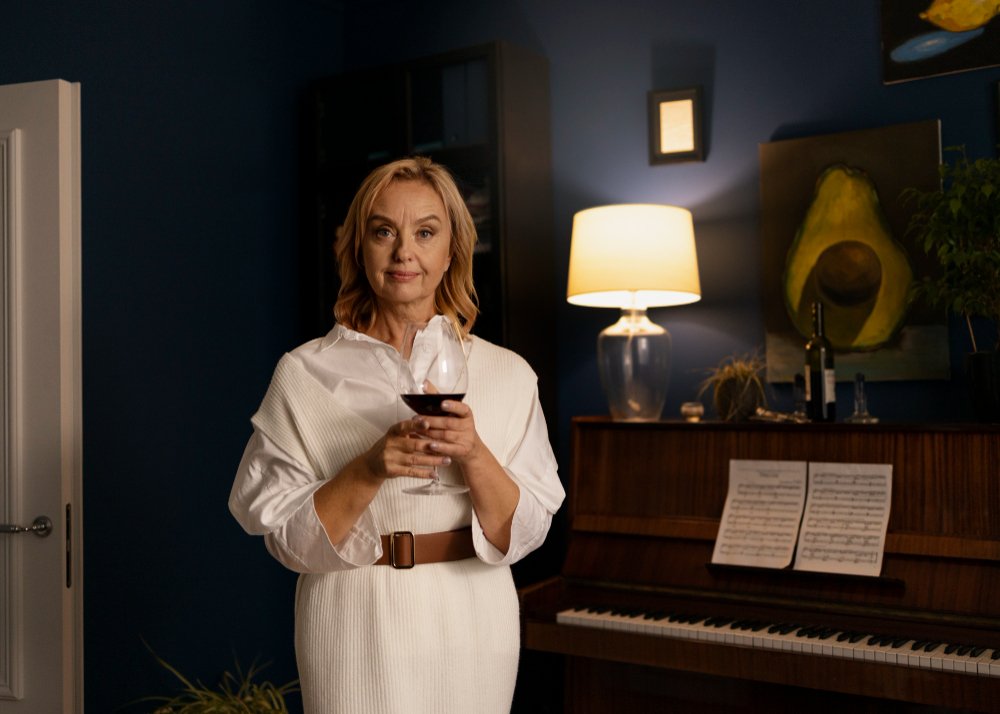
A couple planning their anniversary dinner searches for a hotel with a rooftop restaurant. They find your property at 11:47 pm. They click through to your website, have a look around, can’t find pricing for a private dining event, and there’s no one to ask. So they close the tab and book somewhere else by morning. You never knew they were there. This isn’t a traffic problem. It’s a response problem. And it’s one of the most quietly expensive leaks in a hotel’s revenue engine.
After-hours enquiries aren't a niche problem
Most hotel teams work between 9.00 am and 6.00 pm, or thereabouts. But guests don’t shop for hotels on a 9-to-5 schedule. They browse in the evenings, on weekends, on their lunch break, whenever the idea strikes them. Research from the hospitality sector consistently shows that a significant share of online enquiries happen outside standard business hours.
That means a large chunk of your potential direct bookings hit a dead end. No chat, no immediate response, no one to convert interest into a reservation. The guest either waits (and probably forgets), fills out a contact form (and waits again), or bounces to an OTA where they can book instantly. And OTAs are very good at being available at midnight.
The OTA is never closed
There’s a reason OTAs capture so much business. It’s not just reach. It’s availability. A guest at 11pm can book a room, enquire about a wedding package, or check availability for a corporate event in minutes. No friction. No waiting.
Your hotel pays 15 to 25 per cent commission for that convenience. An ai chatbot for hotels changes the equation. It gives your website the same round-the-clock availability that OTAs have built their entire business model on, except the booking stays direct and the commission stays in your pocket. That’s OTA dependency reduction in its most practical form.
Capturing leads at the moment of intent
Here’s what makes the after-hours opportunity so valuable: when a guest reaches your website at midnight, they’re not casually browsing. They’re ready. Something has triggered the search, a wedding date, an upcoming trip, a corporate retreat, a special occasion. Intent is high.
That’s exactly the moment a hotel lead capture tool earns its keep. Not a static contact form. Not a ‘we’ll get back to you’ message. A genuine, intelligent response that answers the question, pitches the right offering, and collects the guest’s details so your team can follow up with a warm lead in the morning.
The difference between a captured lead and a lost one is often just whether someone, or something, was there to respond.
More than rooms: pitching the full revenue mix
Independent hotels often undersell themselves online. A guest searching for a room might not know you also host weddings, corporate dinners, or private events. They won’t find out unless something surfaces it.
A hotel ai agent does exactly that, intelligently. It doesn’t just answer one question; it understands what the guest is looking for and introduces relevant offerings. A couple enquiring about a weekend stay might be just one well-timed question away from booking your restaurant for their anniversary dinner too. This is how you increase direct bookings before the guest has even arrived. Not through pushy upselling. Through useful, well-timed information at the moment they’re most open to it.
The team wakes up to warm leads
Here’s the practical upside your front desk team will notice immediately: instead of starting the morning with a blank inbox and cold outreach, they open leads that came in overnight, with contact details, the nature of the enquiry, and context on what the guest is looking for.
That changes the nature of the follow-up entirely. It’s not a cold call. It’s continuing a conversation that’s already started. Hotels using a hotel lead capture system report that conversion rates on direct enquiries improve, not because the team is selling harder, but because they’re working with better-qualified leads at the right moment. Over time, that directly drives RevPAR improvement.
The cost of waiting
Every night your website goes dark, you’re leaving the door open for OTAs to step in. Every unanswered after-hours enquiry is a potential booking that went somewhere else. Hotels that commit to a real direct booking strategy, one that includes capturing guests at the moment of intent, see the gap between OTA revenue and direct revenue narrow meaningfully. That’s OTA dependency reduction playing out in the P&L, not just in theory.
If you’re serious about your direct booking strategy, the conversation starts with making sure your website is never truly closed. An ai chatbot for hotels isn’t a novelty. It’s the digital layer your website needs to compete with OTAs on their own terms, available, responsive, commercially sharp, without paying them a single percentage point for the privilege.
Your website should be your best salesperson.
Let’s show you what it looks like when it is.
No commitment. We’ll show you a live demo on a real hotel.